

Il termine affascino e la relativa pratica si prestano a varie interpretazioni. L’affascino sarebbe provocato dall’invidia, ma potrebbe semplicemente scaturire anche dalla mera ammirazione per un’altra persona, con la quale si sono avuti dei contatti. Esso si propagherebbe attraverso un semplice sguardo, intenso o truce o di sola compiacenza o ammirazione. Questo sguardo porterebbe la persona che ne è destinataria ad avere sintomi particolari tipici per l’appunto dell’affascino: un senso di stanchezza e spossatezza, crescenti mal di testa e un costante e incontrollabile sbadiglio. Per liberarsi da questi sintomi, la persona in questione si rivolge a masciare e fattucchiere, persone che conoscono il famoso “carmo”, cioè il rito per togliere l’affascino.
L’affascino, ovvero LA FASCINAZIONE, a Colobraro non consisteva nel mettere il malocchio, bensì nel rito positivo della masciara di togliere l’affascino e, persino, di identificare l’autore della fascinazione. Il rito magico dell’affascino inizia sempre facendo il segno della croce per tre volte sulla persona affascinata o in assenza di questa su un suo oggetto personale, così il “carmatore” assorbe su di sé i sintomi dell’affascinato iniziando subito a sbadigliare e nei casi più forti a lacrimare, mentre l’affascinato deve recitare una preghiera, un Padre nostro e/o un’Ave Maria. Sempre De Martino racconta che a Colobraro fra i mal di testa “magici”, dovuti in questo caso a un fenomeno della natura, vi sia “Lo Scindone” che veniva collegato al Sole. Si tratterebbe di un forte mal di testa che subentra al calar del sole dopo una giornata di fatica. Se al mattino il cerchio doloroso continuava a stringer la testa, ma occorreva rimettersi in cammino per tornare alla fatica dei campi, il contadino allargava le braccia e mormorava: “Buon giorno santo sole ai piedi del signore dal petto leva l’affanno dalla testa il gran dolore, Buon giorno santo sole”.
FASCINAZIONE ED EROS
Altro rito magico raccontato da De Martino consisterebbe nella preparazione di un potente filtro d’amore da parte di una fattucchiera: questa legava il mignolo della mano destra dell’innamorata, lo pungeva e ne faceva uscire tre gocce di sangue, poi tagliava un ciuffo di peli e lo impastava con il sangue, faceva essiccare il tutto al forno, così da ottenerne una polverina che veniva portata persino in Chiesa per consacrarla durante la messa. Il filtro d’amore versato in una bevanda si faceva bere alla persona interessata traendola in inganno. Oppure semplicemente si impregnava un pannolino di sangue e lo si faceva gocciolare in una bottiglia, con la formula di consacrazione: “Sangue della mia natura sino alla sepoltura”, per poi farlo bere al futuro sposo. Conquesto rito magico si riteneva di poter creare un legame d’amore che durasse sino alla morte!
LA MASCIARA
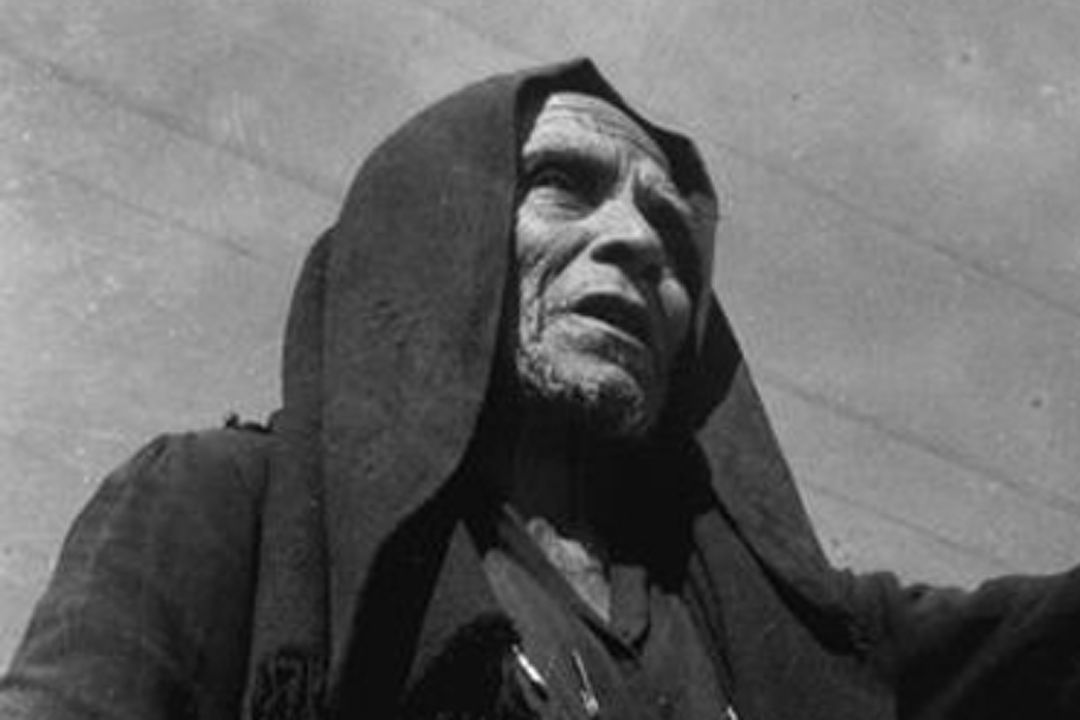
La parola deriva dal longobardo “masca”, cioè strega. Sono fiorite intorno alle masciare lucane mille leggende, alimentate dalla superstizione e dall’ignoranza e dall’ancestrale soggezione delle genti alla sua figura di guaritrice. Si pensava che le masciare fossero depositarie di antiche formule magiche e delle segrete virtù delle erbe, per cui furono per secoli temute o emarginate. Solitamente ci si recava dalle masciare spinti dalla disperazione, quando altri rimedi più convenzionali erano stati inutili. Si andava al calar delle tenebre, quasi di nascosto con insieme un senso di colpa misto a speranza e trepidazione. La masciara somministrava impacchi, decotti, intrugli e pozioni di vario genere, atti a suo dire e secondo le credenze popolari a guarire da malanni o a indirizzare le vicende della vita, il tutto pronunciando dei rituali magici, tra cui l’imposizione del segno della croce, a volte esasperato sino alla sua triplicazione per mero tributo alla divina Trinità.
The term affascino and its practice can be interpreted in different ways. The affascino is usually caused by envy, but can simply arise from mere admiration, with regard to a known person. It can be cast through a simple glance, which may be intense, unkind or simply of deference or admiration. This would produce particular symptoms – typical of the affascino – in the affected person: a sense of fatigue and tiredness, growing headaches and a constant and uncontrollable yawning.
To get rid of these symptoms, the person in question would usually ask help to masciare and witches, who know how to practice a carmo, the ritual to remove the affascino.
In Colobraro, the affascino, or FASCINAZIONE, never consisted in giving the evil eye, but in the positive ritual of a witch (masciara) aimed at taking away and even identifying the author of a spell.
The magical ritual of the affascino would always begin by making the sign of the cross, three times over, on the person subject to the spell or, in his/her absence, on a personal object. In this way, the "carmatore" (the one performing this ritual) could absorb the symptoms of the person on whom the spell had been cast, and start yawning, or in the worst cases crying, while the person in question would recite a prayer – generally the Lord's Prayer and/or a Hail Mary.
De Martino tells us that in Colobraro the "magic" headaches included the Scindone, which was connected to the sun and, therefore, in this case, was due to a natural phenomenon. The Scindone is a strong headache that would start at sunset, after a day of hard work. If the next morning the painful headache had not passed, when the farmer had to go back to the work in the fields, he would widen his arms and whisper: "Buon giorno santo sole ai piedi del signore dal petto leva l’affanno dalla testa il gran dolore, Buon giorno santo sole" (Good morning Sacred Sun, at the Lord's feet, remove the grief from the chest and the pain from the head, Good morning Sacred Sun).
Affascino and Eros
Another magic ritual reported by De Martino consisted in the preparation of a powerful love potion made by a witch: she would tie the little finger of the right hand of the girl in love, prick it, and take three drops of blood. Then, she would cut a lock of hair and paste it with the blood, dry it in the oven and obtain a powder that would be taken to church to be blessed during the Mass. The love potion would then be poured into a drink and the interested person would be tricked into drinking it. According to another method, the girl would take a napkin impregnated with her blood and make it drip into a bottle, while saying the consecrated formula: "Sangue della mia natura sino alla sepoltura " (Blood of my nature until the burial); then, she would make it drink to her future husband. People thought this magic ritual could create a bond of love that would last until the death!
THE MASCIARA (the witch)
The word masciara derives from the Longobard word masca, meaning witch.
Thousands of Lucanian legends were born around the figure of the masciara, fuelled by superstition, ignorance and by the ancestral subjection of people to her role of healer. People thought that the masciare were the depositaries of ancient spells and of secret virtues of herbs, and for this reason, during the centuries, they were feared or isolated. Usually, people would visit the masciara driven by despair, when other more traditional remedies had been unsuccessful. People would go at sunset, hidden as if they had feelings of guilt mixed with hope and trepidation. The masciara would give them remedies, herbal teas, concoctions and various kind of potions, which, according to her and to popular beliefs, could heal from sickness or allow various situations to take a turn. All of this would happen while she spoke magic words, including making the sign of the cross – sometimes three times in a row – as a tribute to the divine Trinity.
Territorio
 Convento e Chiesa
 Timpa della Rocca
 Palazzo delle Esposizioni
 Magia e Fascinazione
 Il Castello
Dove Dormire
Dove Mangiare
Numeri Utili
EMERGENZA
Numero Nazionale Emergenza 112
Soccorso Sanitario 118
Vigili del Fuoco 115
Carabinieri 0835 841010
UFFICIO POSTALE
Corso Umberto I n.109
75021 - Colobraro (MT)
+39098524412